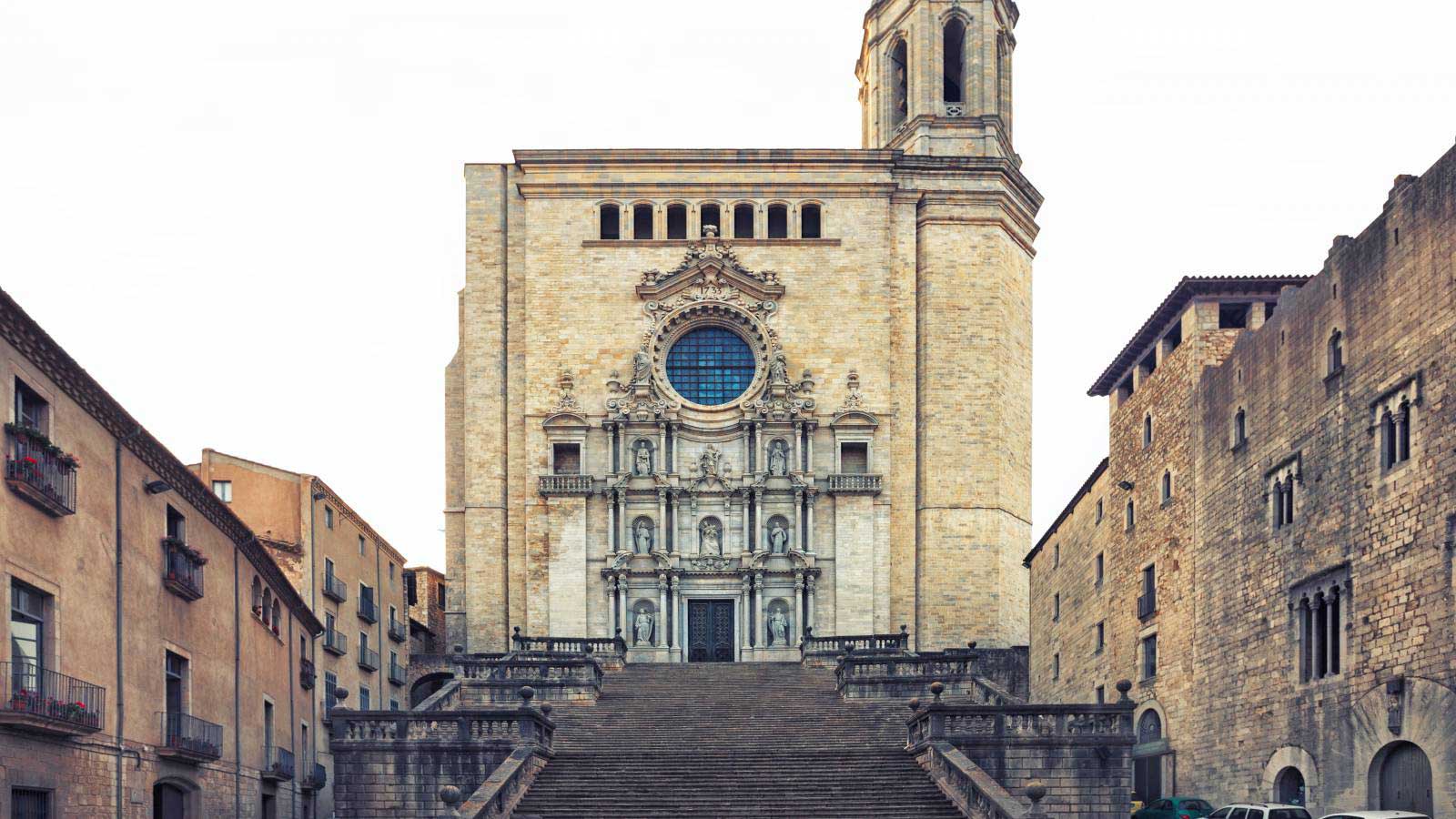
Girona is a city still waiting to be discovered, located in the northeasternmost point of the Iberian Peninsula, between the Pyrenees, the Mediterranean Sea, and Barcelona. Only in recent years has it begun to carve out a place for itself on the Spanish tourist circuit.
Although founded by the Romans, the city has the richest Medieval heritage in the entire province and is one of the cities that will most surprise visitors as a whole.
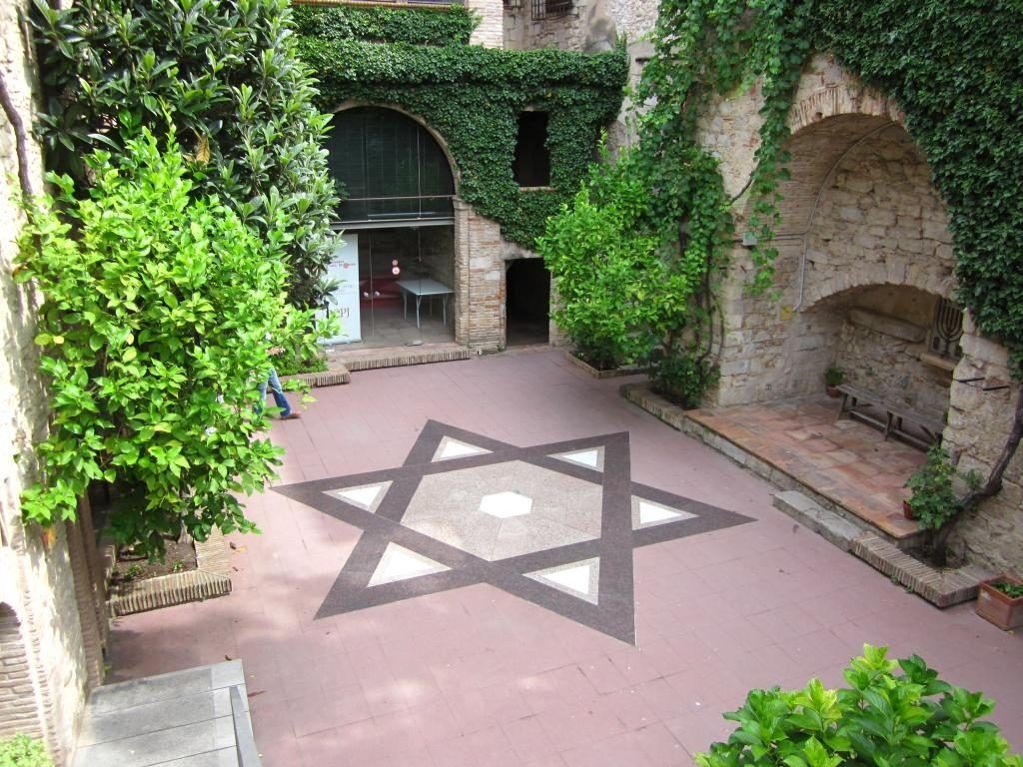
Divided in two by one of its four rivers, the Onyar River, any bridge you cross leads to the old town. In the heart of this area lies the Jewish Quarter (El Call), one of the best-preserved medieval Jewish quarters in Europe, with its narrow, winding, cobblestone streets.
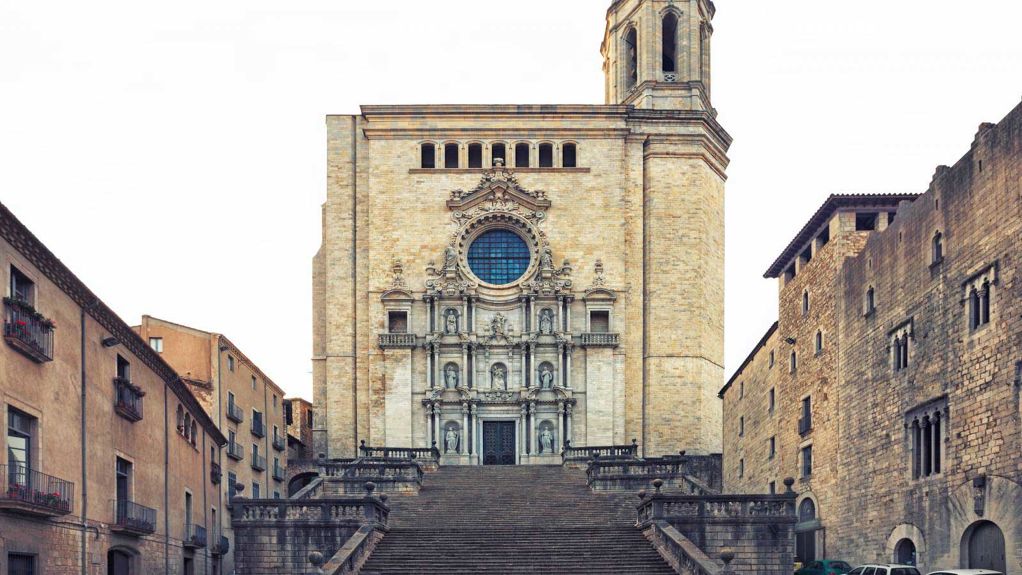
Next to El Call stands the Cathedral of Girona, one of the most impressive in Catalonia, with its grand staircase welcoming visitors. In the same area you will find the city’s main monuments and museums. Gardens, city walls, palaces, arcaded squares… everything can be visited on a pleasant walk that will not leave you indifferent.
Visit this small city that is still not overcrowded. Tourist numbers are ideal for exploring the city and its monuments without queues or the inconvenience of large tour groups. Companies like ours, Girona Experience, work with small groups of visitors, ensuring the highest quality in our services.
Girona is a city that can be visited all year round, as its climate is generally mild and pleasant. January is usually the coldest month, while July is the hottest. Winter may be the quietest time if you enjoy seeing the city without many tourists; during these months, Girona is a great option. The city is small and very peaceful at this time of year, allowing you to enjoy sightseeing with very few visitors.
However, from spring to autumn is when the city welcomes most of its visitors and feels more lively and vibrant. Most of the festivals, cultural events, and leisure activities take place during this period. One of the most notable events is held in May: the “Flower Festival,” when the city decorates its streets with flowers and opens many of its monuments and palaces to the public.
The time zone is the same throughout Spain, except in the Canary Islands, and the currency is the euro.
There is no need to worry about how much cash to bring to Girona, as banks are open every morning from 8:30 a.m. to 2:00 p.m., and some also open in the afternoons from 4:00 p.m. to 6:30 p.m. You will also find plenty of ATMs that accept the main credit cards. However, it is advisable to carry small bills or coins to pay for transport such as taxis, metro, or buses, as many shops do not accept banknotes of more than €100.
Whatever plans you have made for your trip, if you visit us during the high season — from mid-June to mid-September — it is best to book your activities in advance. There are guided tours and excursions that are very popular, so we recommend making your reservation ahead of time through our websites.
Contact us!
www.gironaexperience.com
www.gironaexperiencefreetours.com
In Girona, you can get around on foot, by bus, by taxi, or using transfer services (VTC).
If you arrive by train or are staying at a hotel in the city center, the best option is to walk. Bus routes in Girona are not very well developed, and it can sometimes be difficult to get around using this type of transport.
If you prefer comfort, we suggest using taxis or transfer services. The latter are usually more affordable than taxis and do not charge extra fees for train station pickups or luggage, as long as you contact them at least 15 minutes in advance. Contact us and we will offer you the best price!
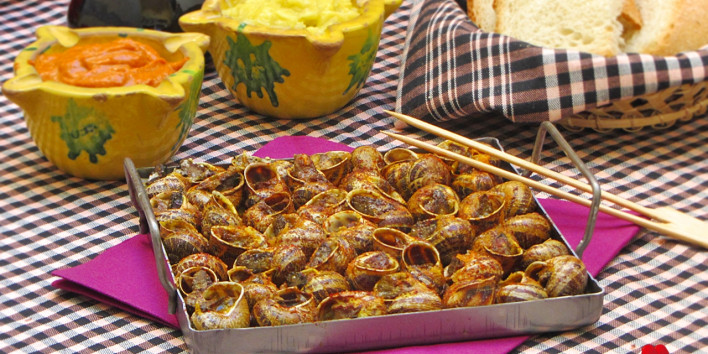
Girona offers a wide and varied gastronomic scene, both in the city itself and throughout the province. Here you can try traditional local dishes such as the famous caracoles a la llauna (grilled snails), calçots, grilled meat with allioli, veal with mushrooms, Palamós prawns, or any dish made with cod.
As in most cities, prices vary depending on where you eat. In Girona, you can find good-quality set menus for €14–20, although meals typically range between €25 and €60. Above this price range, you’ll find high-end restaurants, many of them awarded Michelin stars. Girona is especially fortunate to be home to one of Spain’s best restaurants, with three Michelin stars: El Celler de Can Roca, although it is not the only Michelin-starred restaurant in the city.
Hotels follow a similar pattern: to find a mid-range hotel, you should expect to spend between €60 and €90 per night; just over €100 if you want good quality, and around €200 if you are looking for high-end accommodation.
We recommend booking any hotel in the city center, as it is much more convenient and helps you avoid additional transportation costs.
Calls to the police, fire brigade, and medical emergencies are centralized under a single number: 112. Call this number and you will be directed to the appropriate service.